Blog
Writing about writing.
Thoughts on AI autocomplete, productivity, and the craft of putting words together.
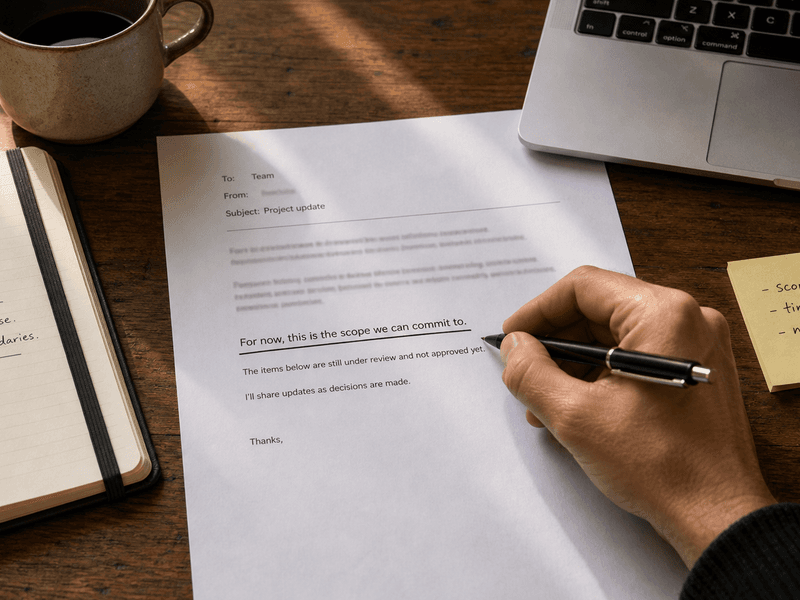
Why the sentence that sets the boundary needs better AI help
Boundary-setting writing is a precision problem: the human already knows the line, and better AI help should make that line easier to land without widening the promise.
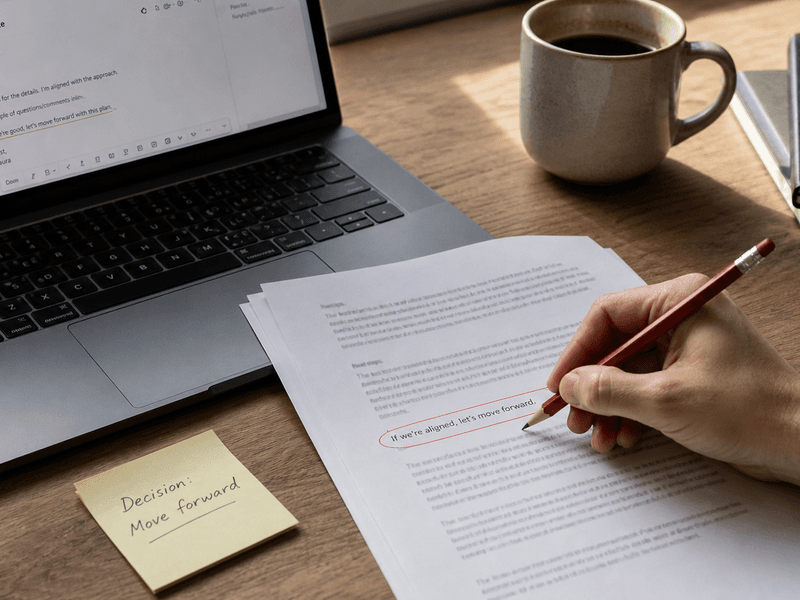
Why the sentence that confirms the decision needs better AI help
Some of the highest-leverage writing at work is the short sentence that turns soft agreement into an actionable decision, which makes inline autocomplete a better fit than generation-first AI.
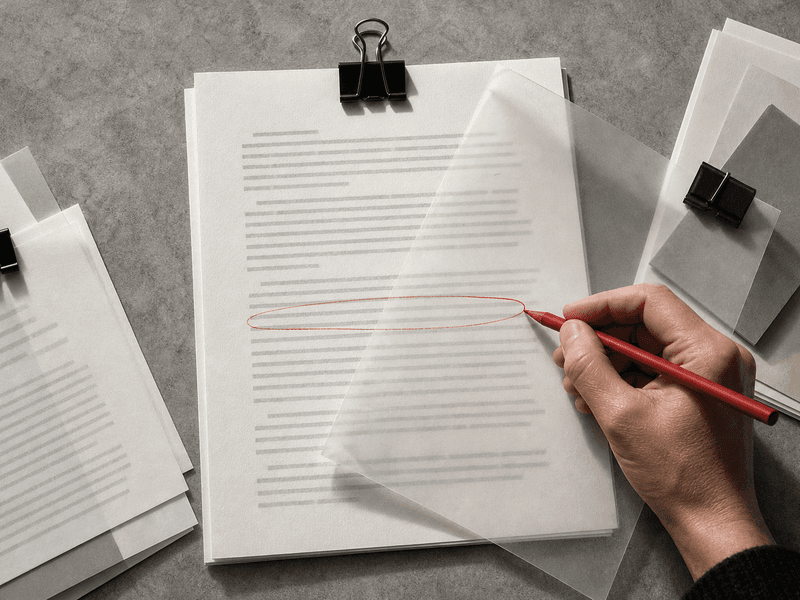
Why the sentence that asks for one more pass needs better AI help
Most writing that needs one more pass is not blank-page work but almost-right sentence work, where lighter inline AI help beats generation-first rewrites.

Why the sentence that narrows the promise needs better AI help
Some of the highest-stakes writing at work is the short sentence that keeps a useful answer narrow enough to trust, which makes inline autocomplete a better fit than generation-first AI.

Why the sentence that makes risk legible needs better AI help
The small sentence that makes uncertainty usable carries more judgment than it looks, which makes inline autocomplete a better fit than full-draft AI.

Why the sentence that names the tradeoff needs better AI help
The sentence that makes a real tradeoff legible carries more judgment than it looks, which makes inline autocomplete a better fit than generation-first AI.
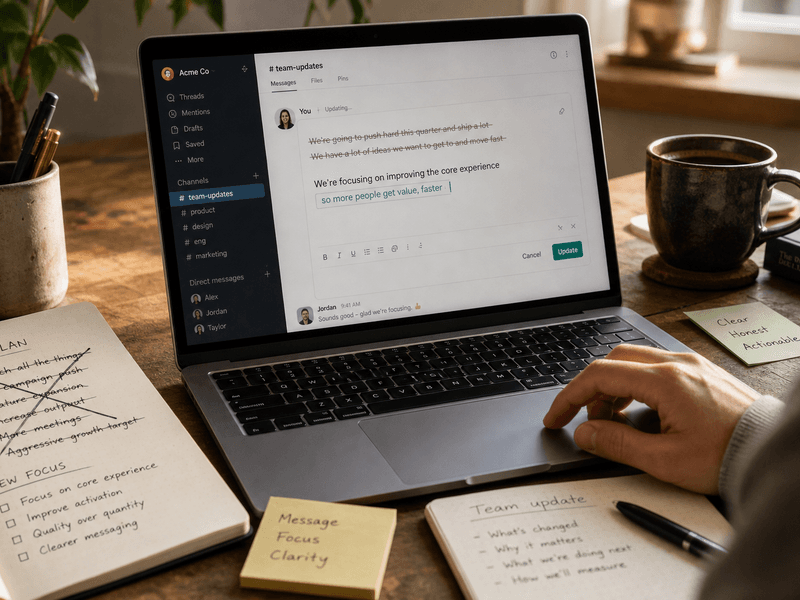
Why the sentence that changes direction needs better AI help
Some of the most important work writing changes direction rather than starting from scratch, which makes inline AI autocomplete more useful than generation-first tools.
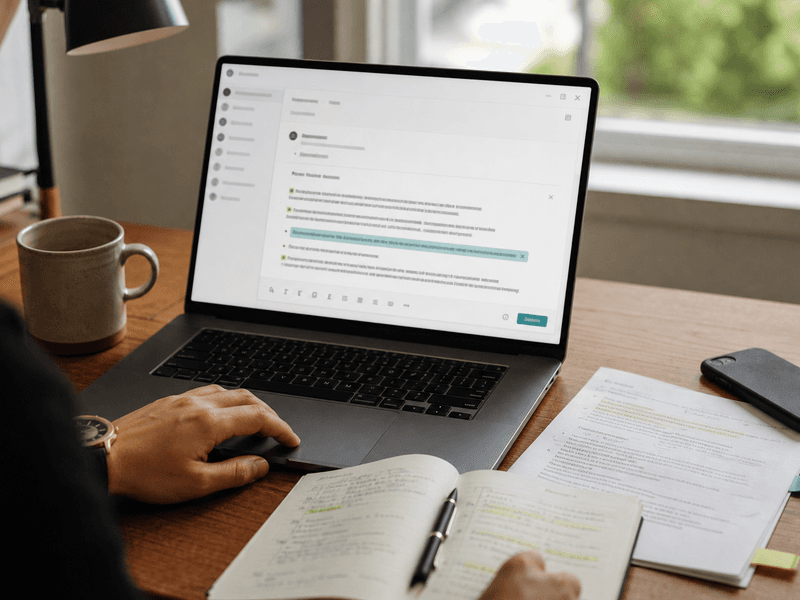
Why the message that becomes precedent needs better AI help
Some work messages quietly become precedent, which makes inline AI autocomplete a better fit than full-draft generation for getting the sentence exactly right.
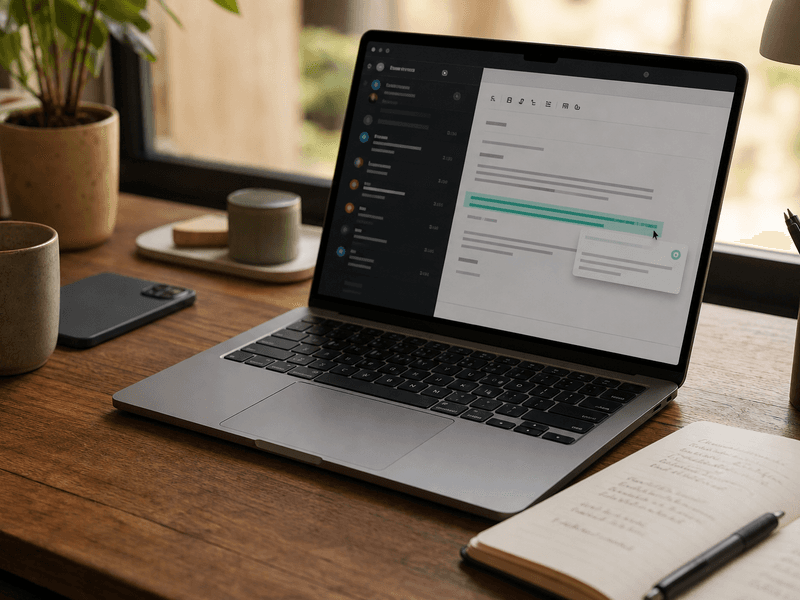
Why the message that says no needs better AI help
Some of the hardest work writing is the sentence that says no, which makes inline AI autocomplete a better fit than full-draft generation.
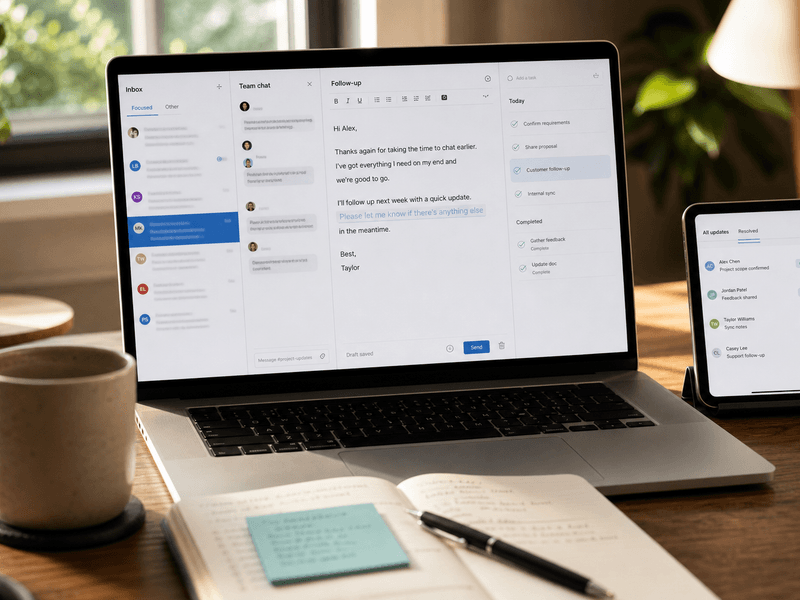
Why the sentence that closes the loop needs better AI help
A surprising amount of work moves forward on the sentence that closes the loop, which makes inline AI autocomplete more useful than generation-first writing tools.
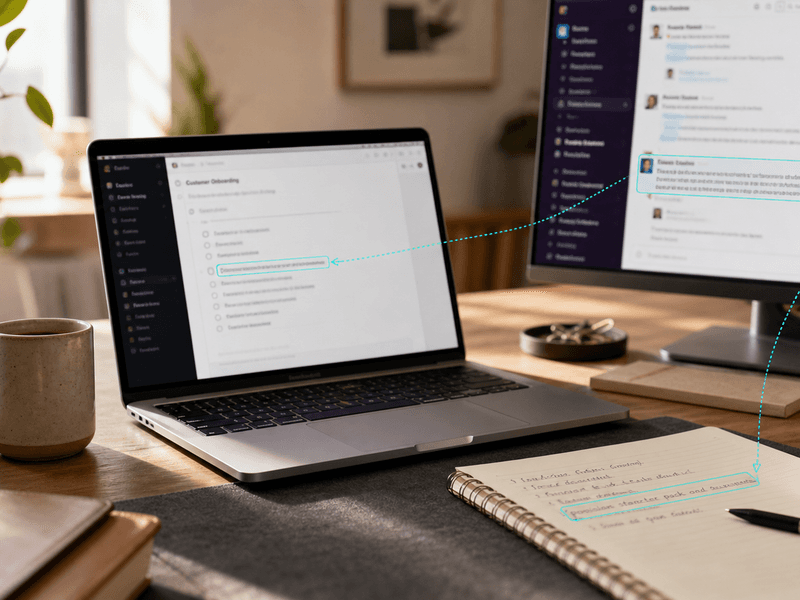
Why implementation teams need AI autocomplete more than AI onboarding copilots
Implementation teams spend more time keeping rollouts moving through small, precise messages than they do generating formal onboarding assets, which makes AI autocomplete a better fit than onboarding copilots.
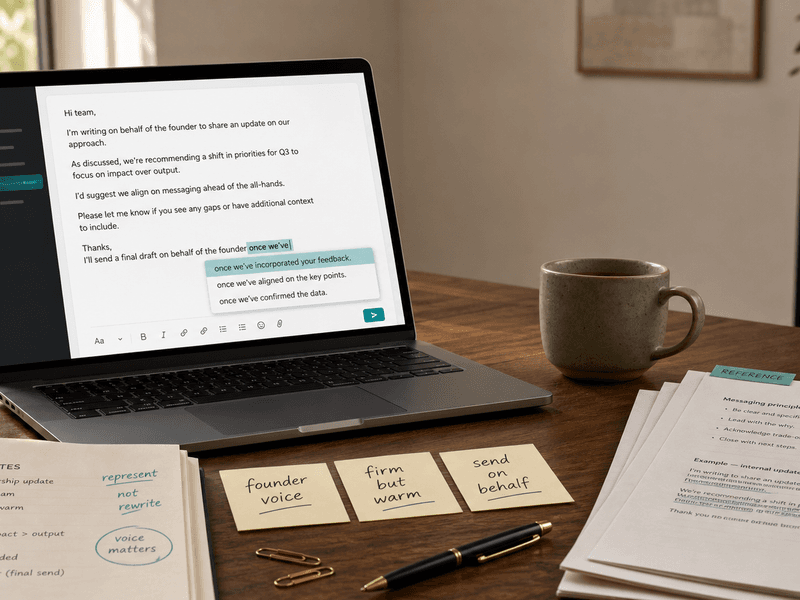
Why writing on behalf of someone else needs AI autocomplete more than AI ghostwriting
When you write on behalf of a founder, team, or brand, the real challenge is preserving voice under pressure, which makes inline AI autocomplete a better fit than ghostwriting-style generation.