Why the sentence that asks for one more pass needs better AI help
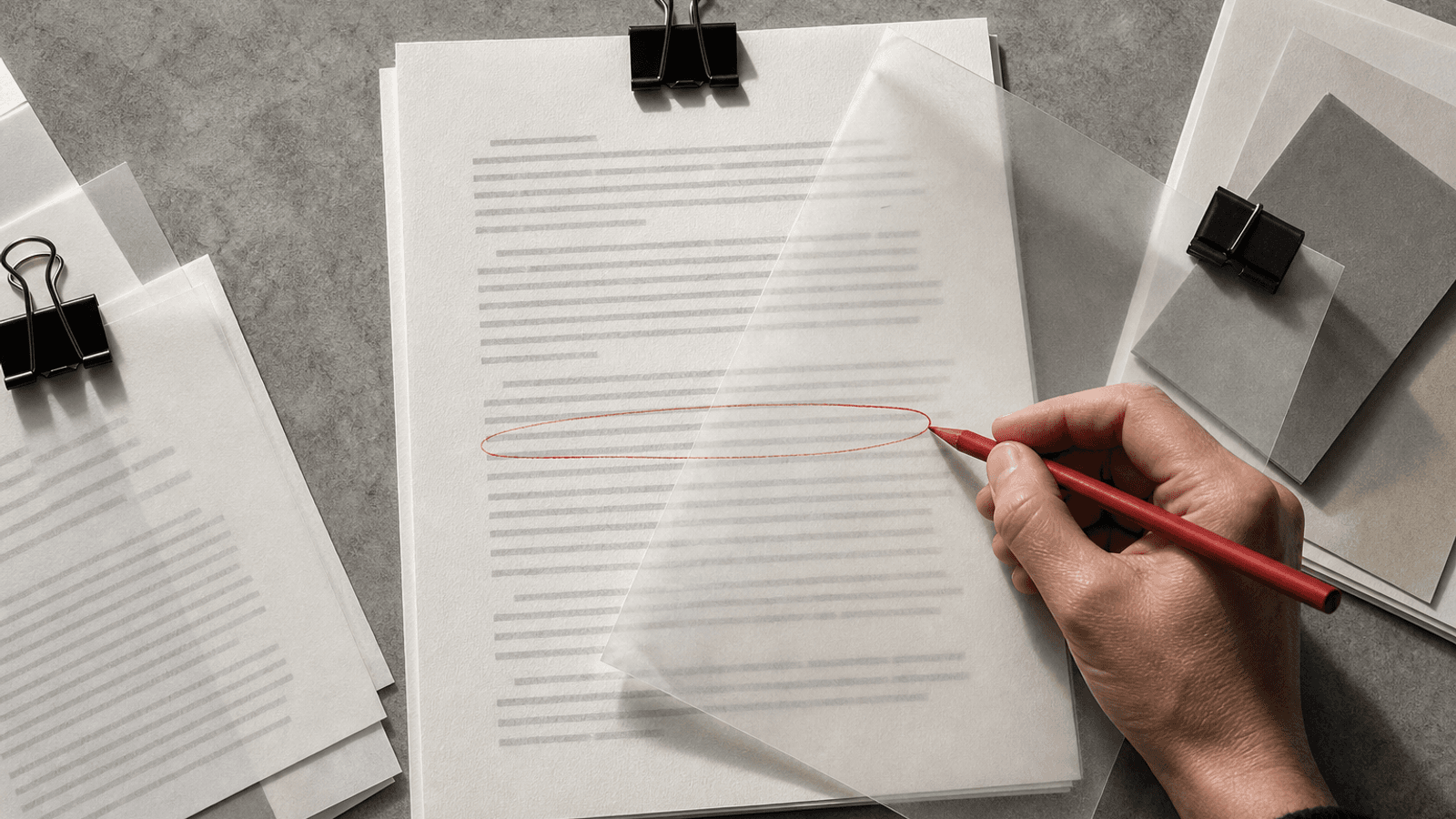
Some work writing is not about starting.
It is about stopping the draft one version before it hardens.
That is a very specific kind of sentence.
It says things like:
this is close, but it needs one more pass
I like the direction, but the wording is still too broad
can we tighten one part before this goes out
the answer is basically right, but the framing is not there yet
I do not want us to ship the almost-right version just because everyone is tired
These are not glamorous sentences. They still save a surprising amount of quality.
One clear request for one more pass can prevent:
a customer message that feels sloppier than the team intended
a launch note that sounds more confident than the product actually is
an internal update that people nod along to but quietly misread
a manager comment that creates defensiveness instead of revision
a brand sentence that becomes reusable for the wrong reason
That is one reason AI writing help is often more useful inside the sentence than above it.
A lot of quality control happens before anything is officially wrong
People often imagine revision as cleanup after a mistake.
In real work, a lot of revision happens earlier than that.
The sentence is not inaccurate. It is just not ready.
Maybe it is:
too soft for the decision it has to carry
too sharp for the relationship it has to preserve
too vague to survive being forwarded
too polished in the generic AI way
too broad in a place that needs one narrower phrase
Those are not failure-state problems. They are judgment problems.
The writer or reviewer can already feel that the line is off. What they need is a clean way to ask for one more pass without turning the exchange into a bigger performance than the sentence deserves.
"Almost right" is one of the most dangerous states in work writing
Bad writing gets caught.
Almost-right writing often ships.
That is why it causes so much trouble.
It reads smoothly enough to move through approvals. It sounds competent enough that nobody wants to be the person who slows things down. It feels finished enough that people stop inspecting the parts that still matter.
Then the cost shows up later:
somebody takes a softer sentence as commitment
a public-facing line drifts away from the product truth
a teammate copies the wording into another channel
the original nuance disappears in the cleaner but weaker version
people spend more time defending a sentence than improving it
This is why the sentence asking for one more pass matters. It protects quality before the cleanup gets expensive.
Asking for revision cleanly is harder than it looks
Most people do not struggle to notice that a draft needs work.
They struggle to phrase the revision request well.
A weak revision note creates its own problems.
Too blunt, and it sounds dismissive:
this is not good enough
rewrite this
this does not work
Too vague, and the other person has no idea what to change:
can we make this better
this feels off
maybe tighten it a bit
Too long, and the note becomes another draft to supervise.
The useful version usually has to do several things at once:
keep the other person moving instead of shutting them down
make the issue concrete without overexplaining it
preserve the original direction when the direction is fine
narrow the requested change to the part that actually needs revision
fit the real channel where the writing is happening
That is a small writing move. It is still real writing work.
Generation-first AI often adds too much mass to this moment
This is where full-draft AI regularly overshoots.
The writer does not need a whole new paragraph. They need a better way to land one live correction.
Generation-first tools often:
produce a replacement draft when the real issue was one phrase
make the revision request sound more official than the channel needs
smooth the sentence into generic professionalism
widen the feedback into a broader critique than the writer intended
ask the human to leave the live context for a problem that started inside one line
The output can look more complete while being less useful.
The real test is not whether the tool generated more text. It is whether the next pass became easier to make.
That is why this kind of writing benefits from lighter help.
Better help lives inside the "keep this, change that" moment
In revision-heavy work, the reviewer usually already has the judgment that matters.
They know:
what part of the sentence should survive
what part is creating trouble
how direct they can be with this person
whether the note should sound firm, collaborative, or surgical
whether the draft needs another pass or just one cleaner phrase
The hard part is not inventing a new position. It is carrying that position through one concise note.
That is why sentence-level help fits so well here.
The human starts the thought. The human keeps control over the standard. The human can accept a suggestion, ignore it, or keep typing toward something sharper.
The AI helps with momentum. It does not become the reviewer.
This happens across apps, wherever quality control actually lives
The sentence that asks for one more pass rarely lives in a dedicated writing tool.
It usually shows up in:
Slack
email
docs comments
CMS fields
project tools
browser-based review flows
That matters because the surrounding context is already visible there.
The channel tells you how short the note should be. The relationship tells you how gentle or direct it can sound. The draft in front of you tells you whether the problem is tone, scope, confidence, or precision.
Leaving that moment for a separate AI workspace often adds too much ceremony.
You already know what needs to change. What you need is help getting the request into a sentence that actually improves the next pass.
The best revision request is narrow enough to be usable
Most good feedback is not bigger. It is better aimed.
The sentence that gets results usually sounds:
more specific than "this feels off"
calmer than the reviewer's first irritated instinct
narrower than a general rewrite request
short enough to use in a real thread
clear enough that the next version actually improves
That kind of sentence saves teams from shipping the almost-right version out of convenience.
It protects voice. It protects accuracy. It protects trust. It protects the difference between a sentence that merely reads well and one that holds up once other people start using it.
Why this fits Typeahead
Typeahead is an AI autocomplete app for Mac that works across the apps where you already write.
It runs locally on your Mac. Suggestions appear inline while you type. You can accept the full suggestion, take it word by word, or ignore it completely.
That interaction model fits revision-heavy writing especially well.
When the job is to ask for one more pass without losing the exact judgment inside the request, inline autocomplete is a better shape of help than opening a second drafting surface and supervising a larger machine-written response.
The best help in these moments is not another author.
It is a faster route to the next cleaner sentence.