Blog
Writing about writing.
Thoughts on AI autocomplete, productivity, and the craft of putting words together.

The prompt box is a writing app now
The prompt box is becoming an everyday writing surface. System-wide autocomplete helps people give AI clearer direction without adding another writing workflow.

What a real writing day reveals about AI autocomplete on Mac
The honest test of AI autocomplete is not one impressive demo. It is whether the tool earns trust across email, chat, docs, and notes during a real writing day.
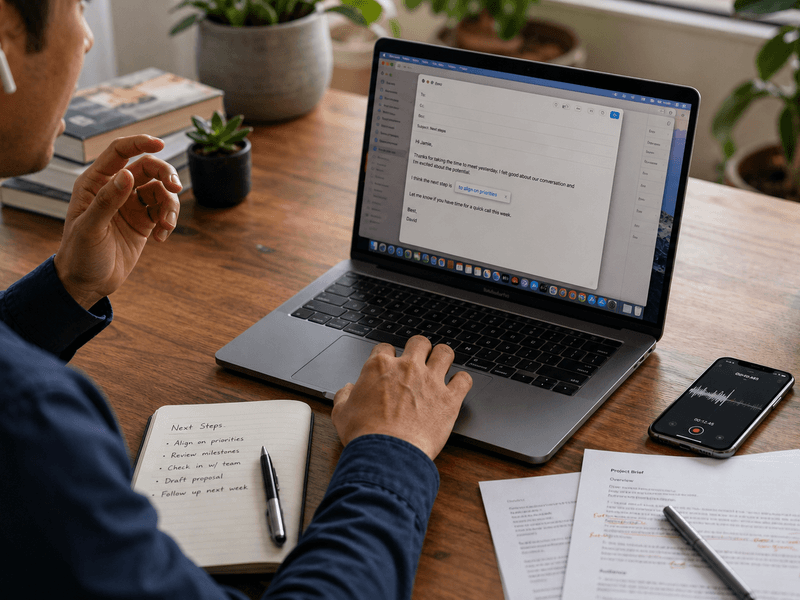
7 writing jobs where dictation and AI autocomplete work better together
Dictation captures momentum. AI autocomplete helps finish, tighten, and soften the sentence in place across the Mac apps where work happens.
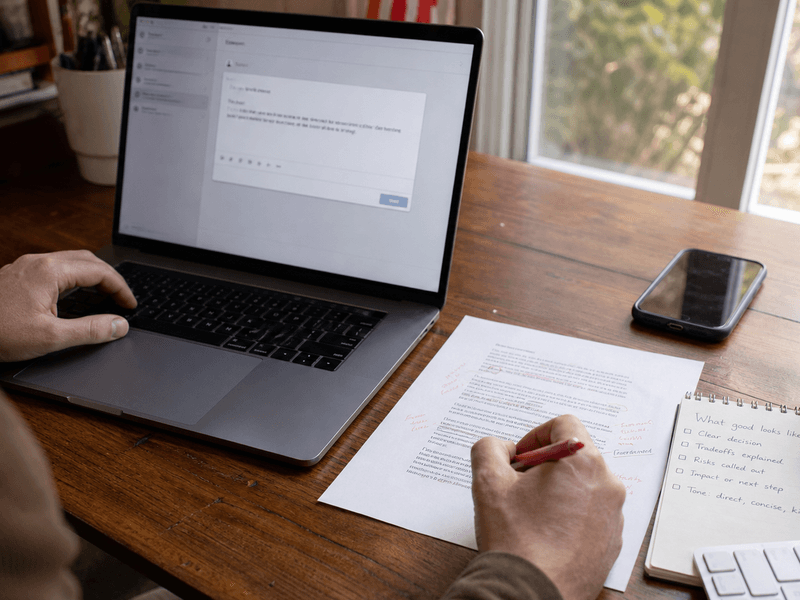
Why the sentence that says what good looks like needs better AI help
A lot of review friction starts when nobody writes the short sentence that defines what good looks like. Inline autocomplete can help that judgment land clearly.

Why the sentence that says where to start needs better AI help
The short sentence that gives a teammate a clear starting point can prevent an entire round of confusion, making inline autocomplete a better fit than generation-first AI.

Why the sentence that says what should stay needs better AI help
The sentence that protects what is already working often keeps a revision from drifting, making inline autocomplete a better fit than generation-first AI.
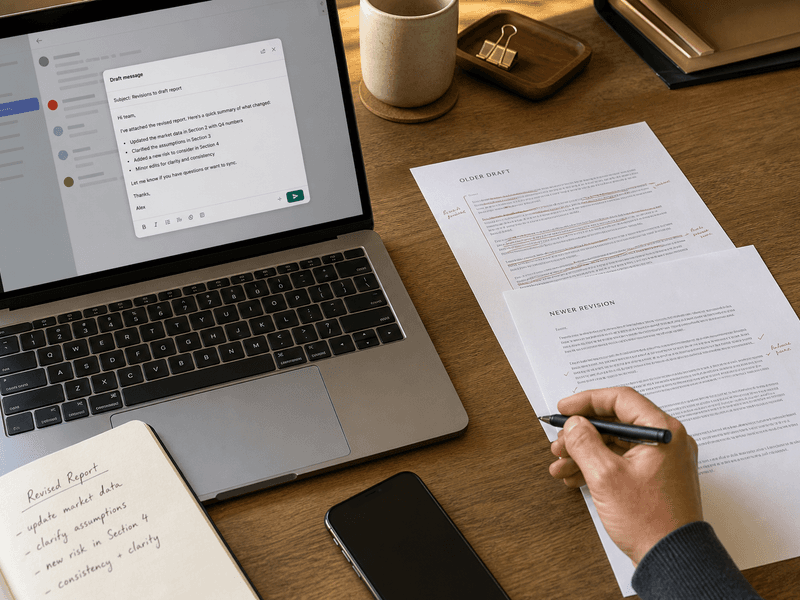
Why the sentence that says what changed needs better AI help
The sentence that tells a reader what changed often decides whether they can review the right section quickly, making inline autocomplete a better fit than generation-first AI.
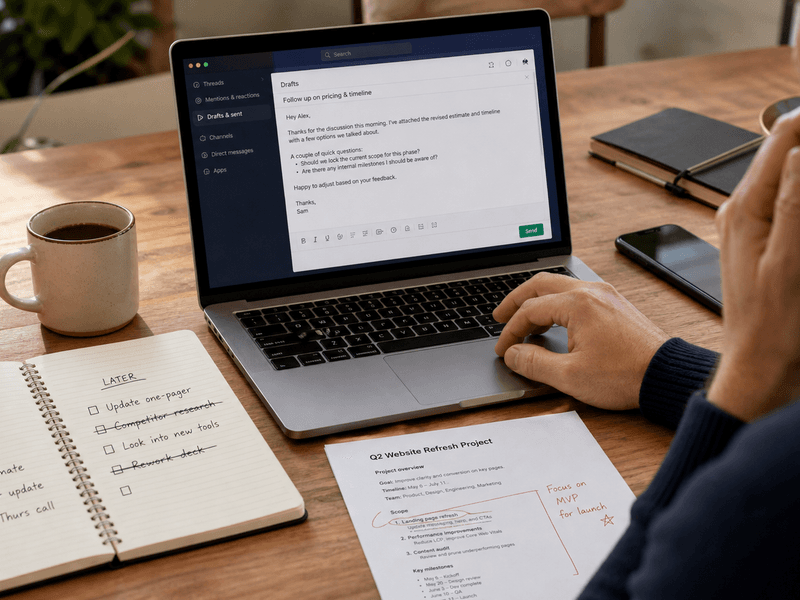
Why the sentence that says what can wait needs better AI help
The sentence that tells someone what can wait often makes a busy work message answerable, making inline autocomplete a better fit than generation-first AI.
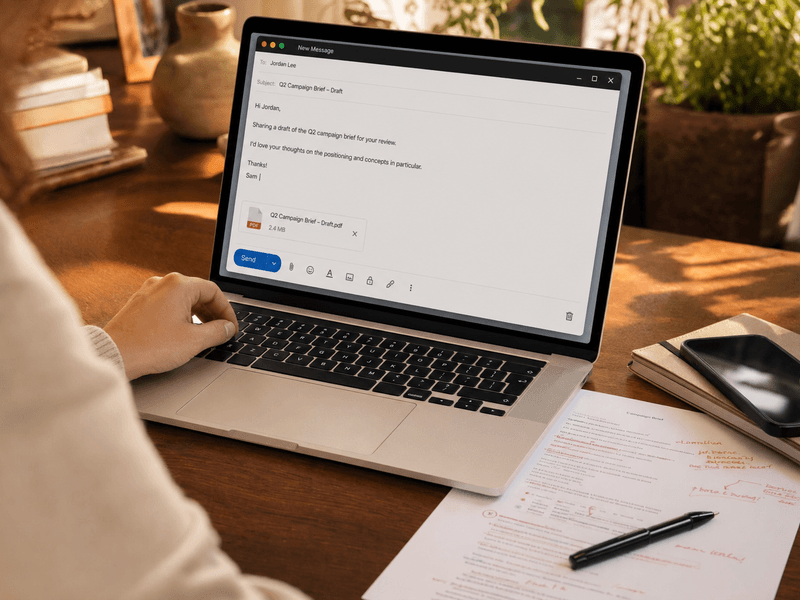
Why the note above the attachment needs better AI help
The two lines above an attached draft often decide how the file gets read, making inline autocomplete a better fit than generation-first AI.
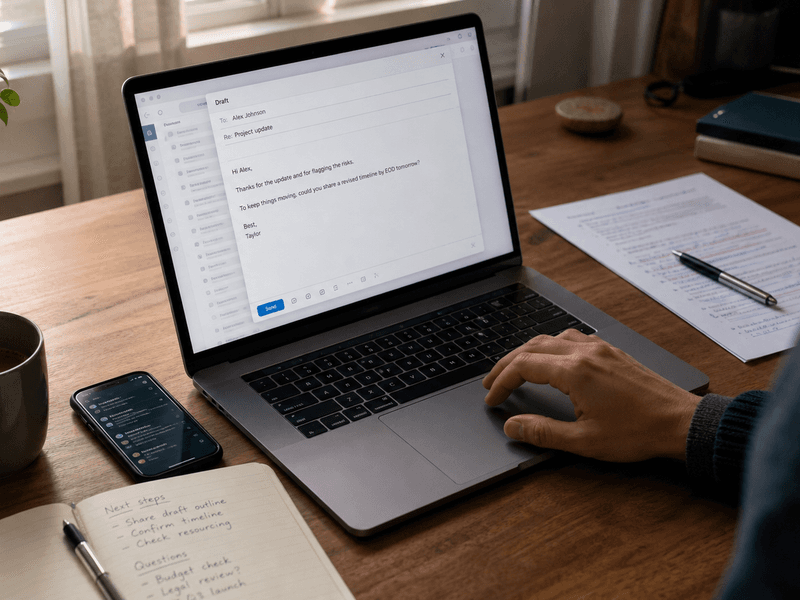
Why the sentence that revives the stalled thread needs better AI help
Most stalled threads do not need a better paragraph. They need one clearer sentence that makes the next reply easier to send.
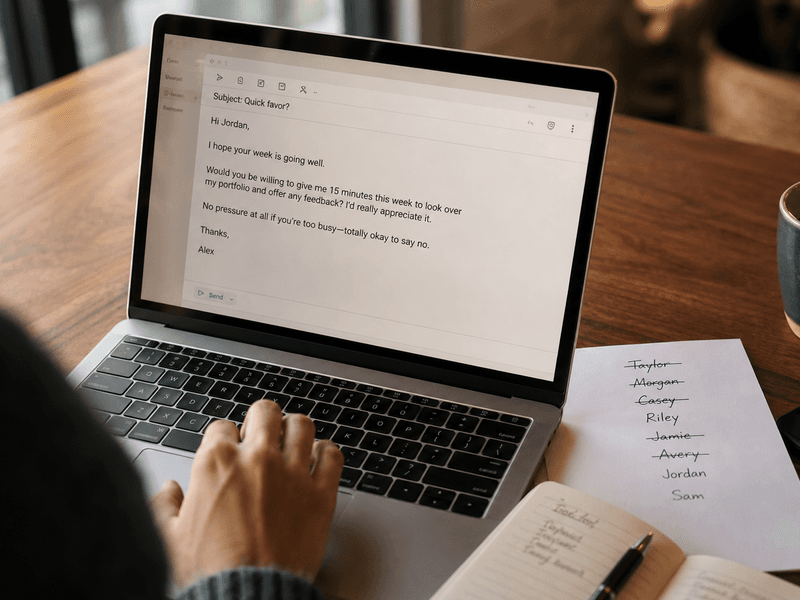
Why the sentence that makes it easy to say no needs better AI help
The sentence that gives someone a clean way to decline often gets a faster, more honest answer, which makes inline autocomplete a better fit than generation-first AI for this kind of writing.

Why the sentence that asks for the right kind of review needs better AI help
The short sentence above a draft often determines whether feedback is useful, fast, and properly scoped, which makes inline autocomplete a better fit than generation-first AI.