







Why the sentence that says what should stay needs better AI help
7 min read
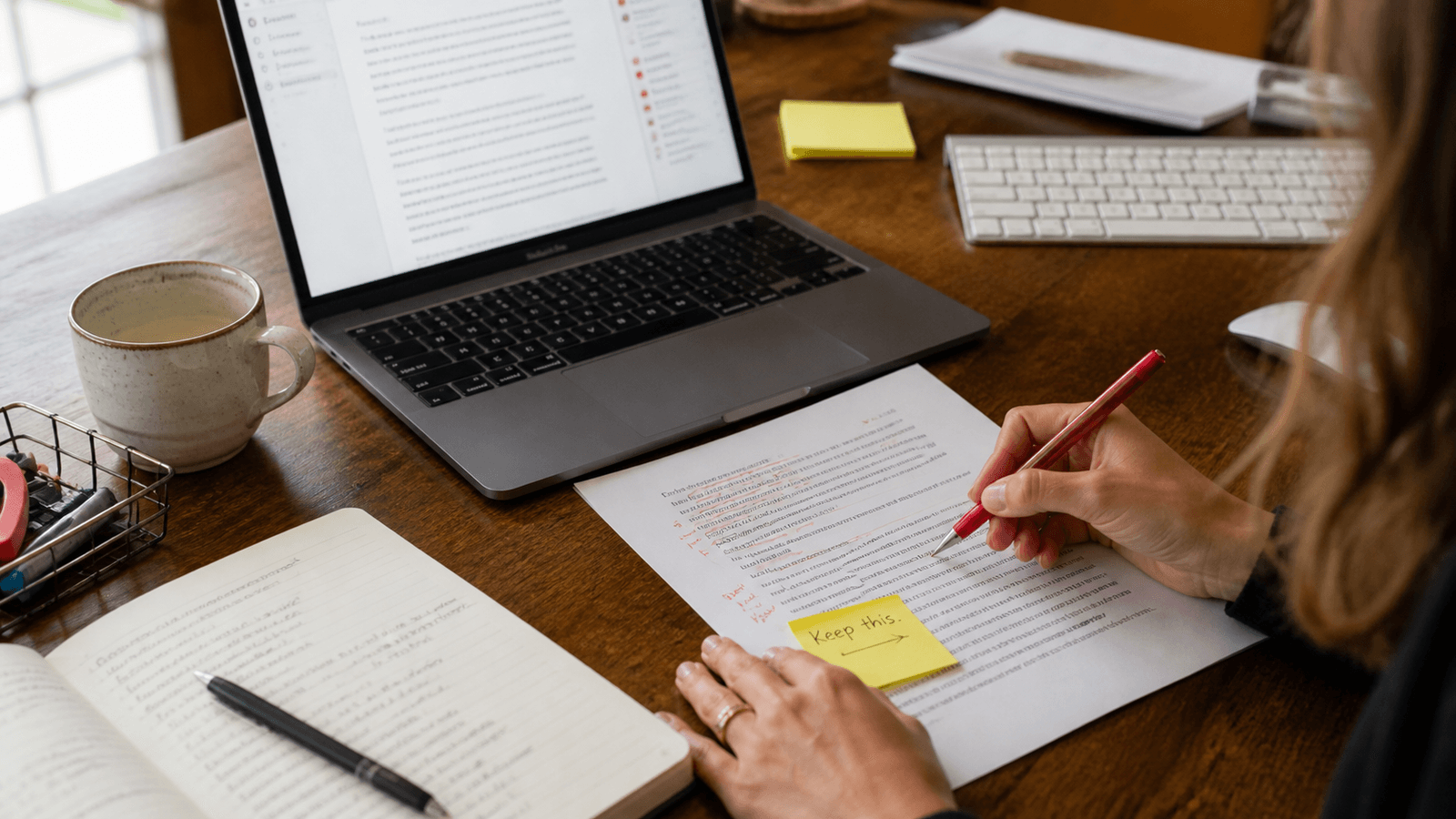
Sometimes the most useful sentence in an edit is not the one that asks for a change.
It is the one that protects what is already working.
The line that says:
- keep the opening
- the structure is right
- do not lose the example in paragraph three
- the sharper tone is working
- leave the recommendation as is and tighten around it
That sentence does more work than people usually notice.
A lot of revisions get worse because nobody writes down what should stay
People are usually comfortable pointing at problems.
They write:
- needs another pass
- can we tighten this
- this still feels long
- I think we should revise the middle
- worth simplifying before send
Those comments are common because they are easy. They identify motion. They do not preserve direction.
Now the person revising has to guess:
- which parts are actually working
- whether the current tone should survive
- whether the structure is wrong or only the wording
- whether the strongest example should stay or go
- whether the editor wants refinement or a more fundamental rewrite
That is how decent drafts get over-edited.
Not because people had bad instincts. Because the message named the problem and forgot to name the thing worth keeping.
The sentence that says what should stay sets the revision boundary
This is the hidden job.
The writer or editor is not only asking for changes. They are trying to keep the next revision from breaking the draft's best part.
A useful sentence might sound like:
- Keep the opening as is. I would only tighten the second section so the point lands faster.
- The recommendation already feels right. I mostly want a cleaner transition into it.
- Do not lose the example from the customer email. That is the part that makes the argument feel real.
- The draft is stronger now that it sounds more direct. Keep that tone and cut the extra explanation around it.
Those lines are small. They save the next person from solving the wrong problem. The same goes for a clear sentence about where to start, which keeps the first pass from beginning in the wrong place.
Now the revision has shape. The person making changes knows what is stable, what is movable, and what success should still feel like when the new version comes back.
Most people already know what should stay
This is why the problem fits autocomplete so well.
The writer usually does not need AI to discover the good part. They already know it.
They know:
- which paragraph finally sounds like them
- which example carries the piece
- which sentence makes the decision easier to understand
- which framing line keeps the message humane
- which structural choice made the whole draft clearer
The hard part is compressing that judgment into one or two natural sentences.
Too vague, and the next revision drifts. Too broad, and the note becomes unhelpful praise. Too long, and the comment turns into an editorial memo. Too soft, and the important protection disappears inside filler.
That is sentence work. Not blank-page work.
Weak protection language creates accidental rewrites
When the "what should stay" line is missing, revision work expands in ways nobody intended.
The editor thinks they are asking for a trim. The writer hears a deeper rewrite.
The manager thinks the structure is fine. The teammate assumes the structure is the problem too.
The product lead liked the clarity of the current recommendation. The next pass makes it safer, longer, and less useful because nobody said the directness was part of the value.
Now more work appears:
- restoring the part that got cut by mistake
- re-explaining what the previous draft had right
- undoing overcorrections
- sending another note to say what the revision should have preserved
- waiting through another pass that was only necessary because the boundaries were blurry
The draft did not need more imagination. It needed one cleaner sentence about what not to lose.
Full-draft AI often solves the wrong problem here
The writer is rarely asking:
"Can you rewrite the whole feedback note for me?"
They are usually asking:
"Can you help me say what should stay while I point at what should change?"
That is a smaller and more useful job.
Generation-first AI often overshoots.
It tends to produce:
- a full critique paragraph instead of one sharp protection line
- generic encouragement that sounds polite but says nothing
- more process language than the relationship needs
- fake editorial balance that blurs the real judgment
- extra copy to supervise when the writer only needed one sentence that keeps the next pass on track
Now the writer has a second task.
They have to trim the output back down until it sounds like something they would actually leave in Slack, email, comments, or above the draft link.
That is a lot of overhead for a sentence whose whole job is to keep a useful draft from getting worse.
Better help belongs inside the live revision moment
This kind of sentence does not happen in isolation.
It happens inside comments. Inside Slack. Inside email. Inside the note above a link. Inside the quick message someone writes while the draft is still open on screen.
That matters because the writer can already see the real context:
- which version is on the table
- what changed in the last pass
- which part finally started working
- how much directness the relationship can carry
- whether the revision needs polish, focus, or restraint
That is why inline help fits this moment better.
The writer stays inside the actual note. They keep their own judgment. They can accept a suggestion, reject it, or take it word by word until the sentence sounds like something they would naturally say.
The AI helps protect the draft's strongest part. It does not take over the editorial judgment about what that part is.
The sentence is really about preserving authorship
People often talk about editing as if it is only about finding what is wrong.
Good editing is also about recognizing what is right early enough to keep it alive through revision.
That is especially important with AI writing tools because over-generation often smooths away the exact quality the human was trying to preserve.
Sometimes that quality is:
- a sharper voice
- a cleaner structure
- one concrete example
- a sentence that sounds more human than polished
- a narrower claim that finally feels trustworthy
If the writer does not name that value, the next pass can erase it while still looking superficially improved.
That is when AI help starts to feel slippery.
The output may be longer, cleaner, or more balanced. The draft no longer feels like the thing the person meant to write.
Lighter help fits better. The person still decides what the draft is trying to keep. The machine only helps them land that thought faster.
A better protection sentence can save the whole next pass
One clean line can prevent:
- a revision that fixes the wrong problem
- another loop of feedback on a draft that was already close
- a watered-down recommendation
- a strong example getting removed for the sake of neatness
- a meeting that only exists because the next version drifted away from the real intent
That is a lot of leverage from an ordinary sentence in a workday revision note.
The best version is usually not dramatic.
It just tells the other person:
- this part is working
- do not rewrite it by accident
- shape the next pass around that strength
- make it better without making it different
That is good editorial writing. And it is harder than it looks.
Why this fits Typeahead
Typeahead is an AI autocomplete app for Mac that works across the apps where you already write.
It runs locally on your Mac. Suggestions appear inline while you type. You can accept the full suggestion, take it word by word, or ignore it completely.
That interaction model is a strong fit for revision writing.
When the real job is to protect the best part of a draft without leaving the app, inline autocomplete is a better shape of help than opening a separate drafting tool, generating a longer feedback note, and editing it back down into the one sentence you meant to send in the first place.