Why word-by-word AI autocomplete feels more like writing and less like outsourcing
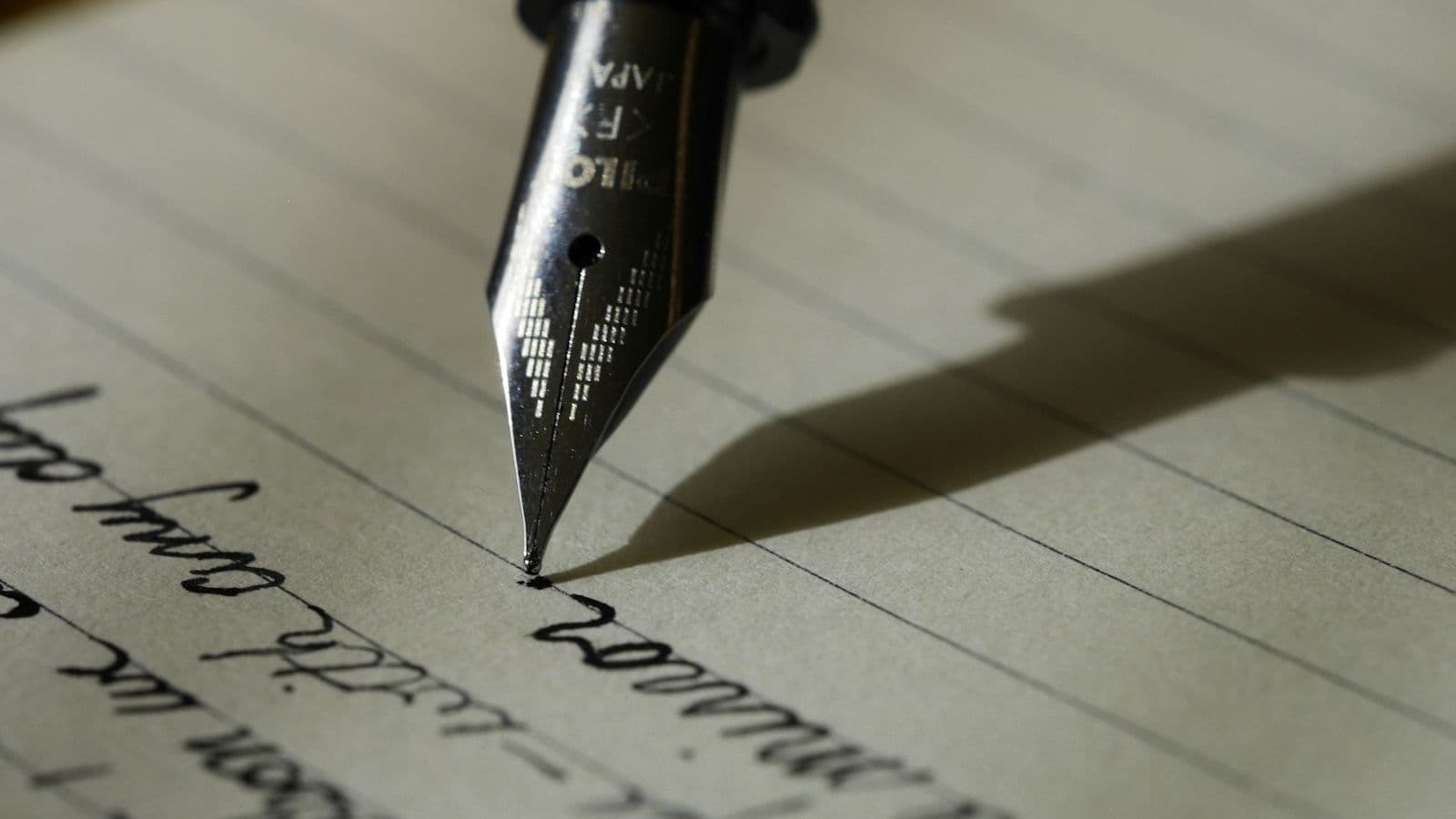
A lot of AI writing tools ask for a big yes.
Generate the paragraph. Rewrite the message. Draft the reply. Accept the output and clean it up later.
That workflow can be useful. It can also feel like handing the sentence away too early.
One reason people get uneasy with AI writing help is not just privacy or quality. It is the size of the handoff.
The more text the tool tries to take over at once, the more the user starts to feel like an editor of machine output instead of the person writing.
The problem is not only what the AI writes. It is how much control you lose at once.
Most generation-first tools collapse the decision into one moment. Here is the draft. Do you want it or not?
That sounds efficient. In practice, it creates a strange tradeoff.
If the output is close, you feel pressure to accept it and sand down the parts that sound wrong. If the output is off, you either throw it away or spend time repairing it. Either way, the machine made the large writing move first.
That changes the role of the user. Instead of staying inside the sentence, they are reviewing a block of text that already arrived with its own rhythm, wording and assumptions.
For some work, that is fine. For everyday writing, it often feels like too much authorship to hand over in one shot.
Small accept decisions keep the writer in charge
There is a big difference between accepting a paragraph and accepting a word.
A paragraph acceptance is a commitment. A word acceptance is a nudge.
That difference matters because real writing is made of small choices: how direct to be, where to soften a phrase, when to stop, when to hedge, when to keep the sentence plain instead of polished.
When an AI suggestion can be taken one word at a time, the user keeps making those decisions as the sentence unfolds. The tool is helping with momentum, not replacing judgment.
That is why word-by-word acceptance feels so different from generation, even when the model underneath may be doing similar prediction work. The interaction preserves authorship.
The feeling of control comes from the keyboard, not the marketing copy
A lot of AI products talk about keeping the user in control.
That claim is cheap if the interface still pushes big chunks of text onto the page.
Control is not a slogan. It is a product behavior.
Can you ignore the suggestion instantly? Can you take only the useful part? Can you keep your own sentence shape while borrowing a little momentum from the model? Can the tool help without forcing a rewrite of your intent?
These questions matter more than most AI copy admits.
The emotional difference between "the AI wrote this for me" and "the AI helped me finish this" is often just one interaction detail: how easy it is to accept a little instead of all of it.
This is especially important for people who already know what they mean
A lot of daily writing is not a blank-page problem.
You already know the point. You already know the recommendation. You already know the answer you want to send.
What slows you down is the gap between meaning and phrasing. You pause for a transition. You hesitate on the last clause. You spend a few extra seconds getting the sentence to land cleanly.
That is where word-by-word autocomplete fits. It does not assume the machine should take the whole message from there. It helps the writer stay in motion while keeping their hand on the wheel.
Better AI writing help should feel adjustable, not absolute
This is part of why autocomplete can feel more trustworthy than chat-style writing tools for everyday work.
Trust does not come only from model quality. It comes from reversibility and granularity.
A useful writing tool should let the user say: yes to this phrase, maybe to the next two words, no to the rest.
That is a much more natural relationship than all-or-nothing generation. It matches how people actually write. They move sentence by sentence, sometimes word by word, adjusting as they go.
The closer the AI gets to that rhythm, the less it feels like outsourcing.
The best writing assistance is the kind that leaves authorship intact
People do not only want faster writing. They want faster writing that still feels like theirs.
That is why the interaction model matters so much.
Inline suggestions are one part of it. Local processing is another. But granularity is the piece that often gets missed.
When the tool can help one word at a time, it becomes easier to trust, easier to use, and easier to keep in the background. The writer stays the writer.
That is part of the thinking behind Typeahead. It suggests text inline across the apps where you already write on your Mac. You can accept the full suggestion with Tab, take it word by word with Right Arrow, or dismiss it with Esc.
Those details may sound small. They are not.
They are the difference between AI that writes at you and AI that writes with you.