






Why researchers need AI autocomplete more than AI paper summaries
5 min read
Researchers are not short on AI tools that promise to help them read faster.
Summarize the paper. Extract the findings. List the methods. Compare the abstracts. Pull out the citations.
Some of that is genuinely useful. It still misses where a lot of research work actually slows down.
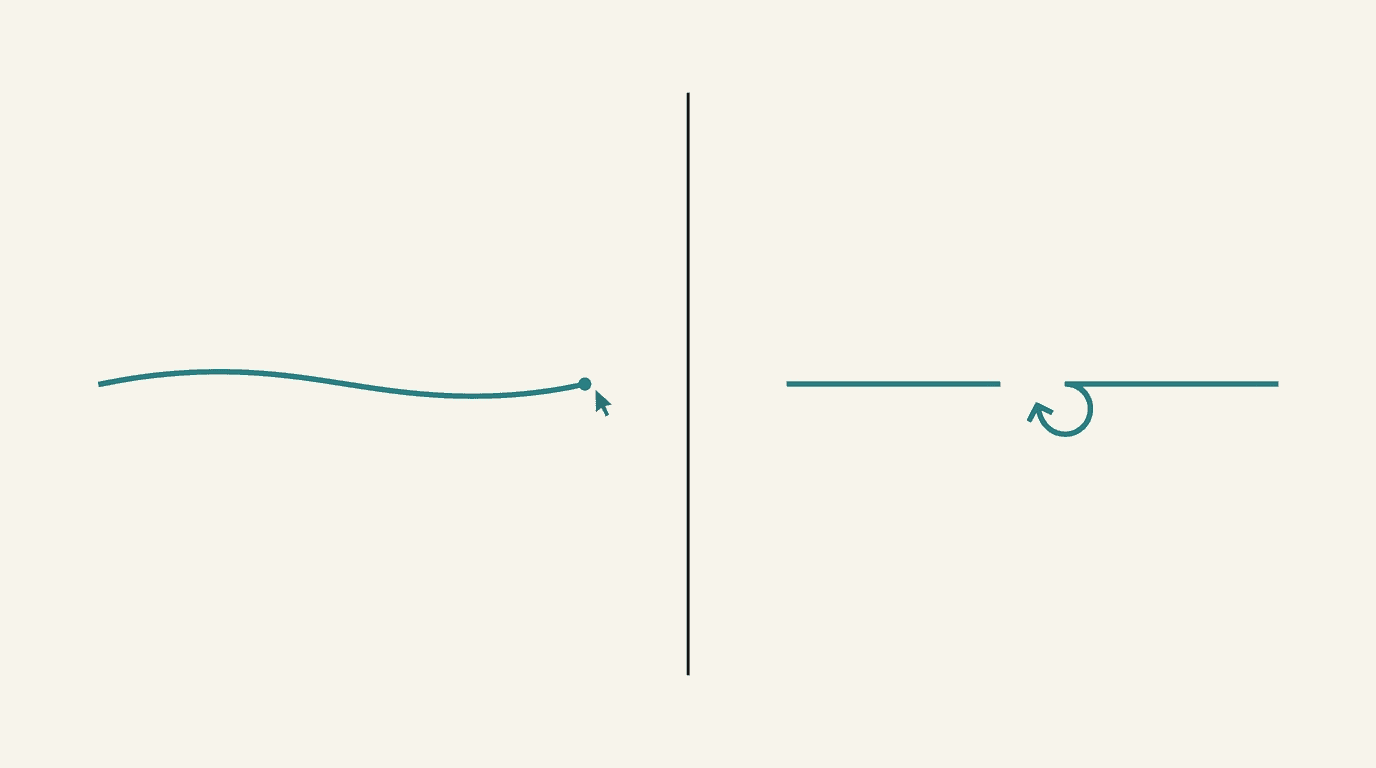
The bottleneck is often not reading one more paper. It is turning what you already understand into notes, synthesis, questions, comments, and messages while the thought is still alive.
That is why AI paper summaries solve a narrower problem than they seem to. For a lot of researchers, the bigger leverage is in the writing that happens between the papers.
Research writing is constant, fragmented and easy to underestimate
When people picture research writing, they usually imagine the final output. A paper. A report. A grant proposal. A long memo.
That work matters. But a lot of the day is spent in smaller pieces of writing.
notes while reading
comments in PDFs and docs
messages to collaborators
follow-ups after meetings
draft hypotheses
method descriptions
lab notes
literature synthesis in a notes app
short explanations in email or Slack
None of this looks dramatic. That is part of the problem. The work that keeps the project moving is often scattered across small text boxes and half-finished sentences.
Paper summaries help with intake, not synthesis
A summary tool can tell you what a paper says. That is not the same as helping you think with it.
Research work usually gets harder after the paper is understood. Now you have to decide:
does this result actually matter for the question you care about
how does this finding connect to the previous two papers
what should go into your notes so future-you can use it
how should you explain the implication to a coauthor without overstating it
what is the cleanest way to capture a limitation before you forget it
That is not just retrieval. It is interpretation. And interpretation usually happens while you are writing.
Most researchers already know what they want to say
The common AI writing story starts with the blank page. That is real sometimes. It is just not the whole job.
A lot of researchers are not staring into emptiness. They are moving too quickly between inputs. They have the idea. They have the caveat. They know the comparison they want to make. They just need to get it down before the next tab, the next meeting, or the next paper pulls attention away.
That makes autocomplete a better fit than generation for a surprising amount of research work. The researcher stays inside their own reasoning. The AI just helps the sentence keep up.
The real writing load lives across apps
Research does not happen in one clean environment.
A researcher might move from a browser tab to Apple Notes to Notion to Google Docs to Slack to email to a PDF annotation tool in under fifteen minutes. A lot of AI tools still assume the work should stop and funnel through a single prompt box.
That is a bad fit for research. The context is already spread across the day. The writing help should meet the researcher where the work is already happening.
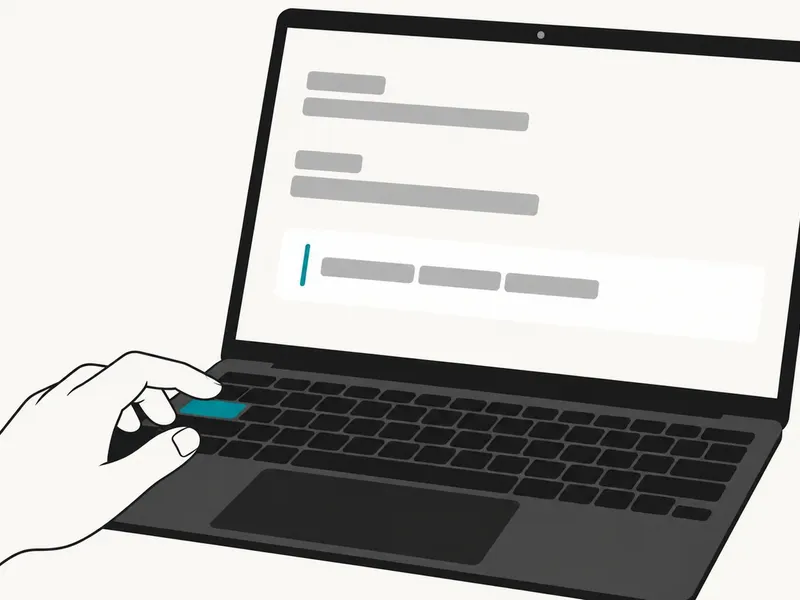
This is where system-wide autocomplete becomes practical. The note gets written in the notes app. The collaborator message gets written in Slack. The draft sentence gets finished in Docs. The help shows up inline instead of asking for another workflow.
Good research writing needs precision, not just speed
Researchers do not need more words for the sake of it. They need cleaner words. More exact words. Less drag between the thought and the sentence that can survive later scrutiny.
A generated paragraph often creates extra work here. It may sound smooth while quietly introducing claims the researcher would not make, confidence they did not intend, or phrasing that feels slightly too broad.
That is why authorship matters. In research, a sentence is not only style. It is judgment. Sometimes the most important part of a paragraph is the qualification. Sometimes it is the limit you chose not to hide.
Autocomplete is a better trade because the researcher keeps control of those decisions. You start the sentence. The model offers the next few words. If it matches your meaning, you take it. If not, you keep typing.
Small gains compound across a long project
The benefit here is usually not dramatic. It is cumulative.
A sharper reading note. A quicker synthesis paragraph. A cleaner message to a collaborator. A hypothesis captured before it disappears. A methodology sentence finished while the logic is still warm.
Each gain is small. Research projects are made of small gains. That is why this kind of help matters more than it first appears.
The best AI for researchers is not the one that tries to think instead of them. It is the one that reduces friction while they are already thinking.
That is the appeal of Typeahead. It brings AI autocomplete into the apps where researchers already write on their Mac, so the help arrives inline while the work is moving. Your writing stays on your device. You stay in control of the claim, the caveat, and the meaning. The tool just helps you get the words out faster.
Paper summaries can help you review. Autocomplete can help you think on the page. For a lot of research work, that is the bigger win.