Why partnership teams need AI autocomplete more than AI outreach generators
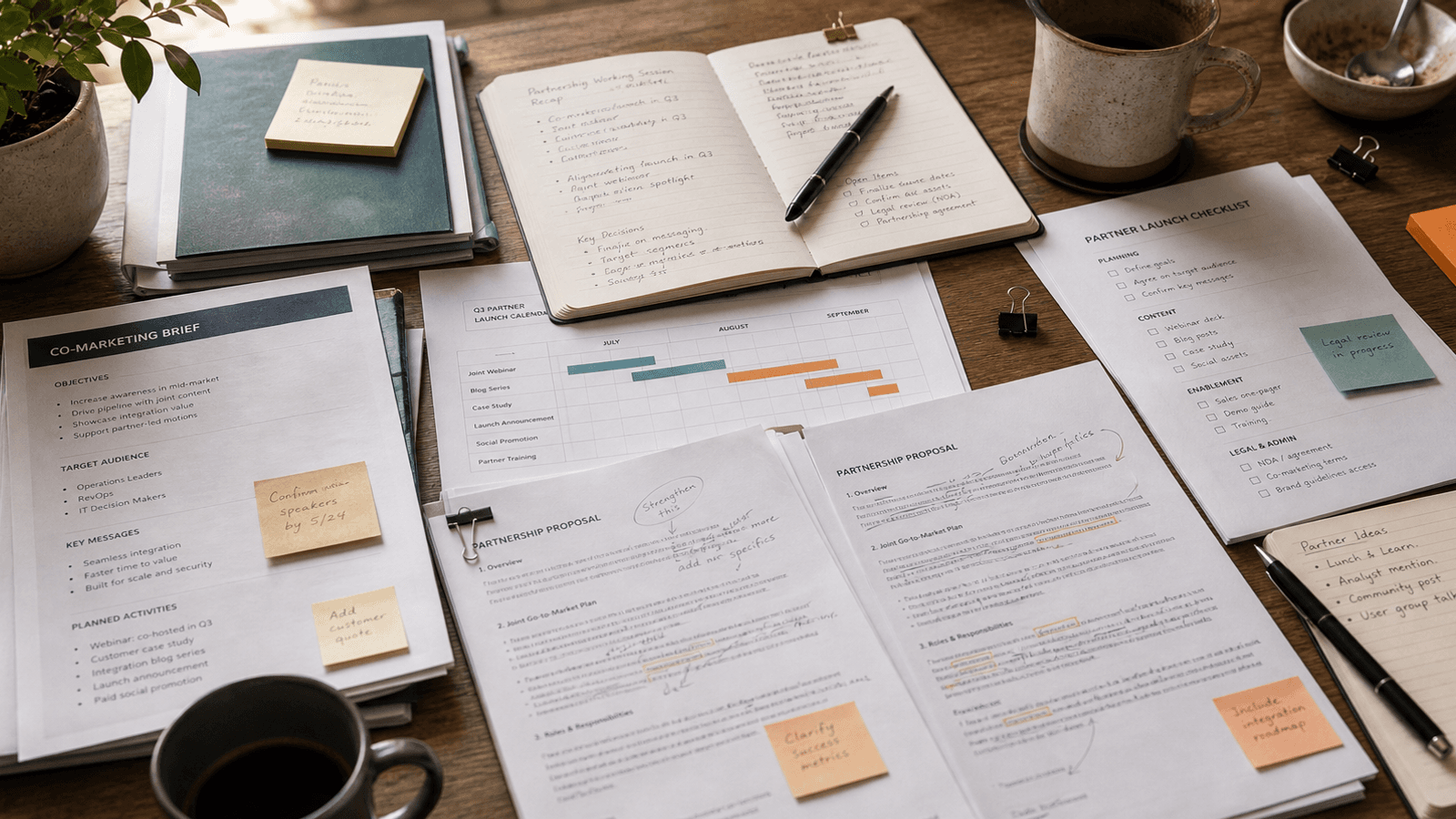
Partnership teams do not usually get stuck because they cannot produce a first outreach draft.
They get stuck because the relationship keeps changing shape, and the writing has to keep up with it.
The intro email that needs warmth without vagueness. The follow-up that should move the deal forward without sounding impatient. The internal note that explains why this partner matters. The co-marketing message that has to sound aligned before it goes out. The Slack reply that turns a loose conversation into a real next step.
That is why partnership teams often need AI autocomplete more than AI outreach generators.
The visible work is the deal. The daily work is the wording around it.
When people picture partnerships work, they often picture:
pipeline
sourcing
outbound
negotiations
integrations
launch plans
All of that matters.
But a lot of the real work happens in smaller writing moments that sit around the partnership itself:
first outreach
follow-up emails
agenda notes
recap messages
internal updates
co-marketing drafts
enablement notes for sales or success
approval requests before something is sent externally
Those moments rarely look strategic from the outside. They still decide whether the relationship moves cleanly or stalls.
Partnership writing is usually not a blank-page problem
Most partnership leads already know the underlying point.
They know they want to:
re-open the conversation
clarify the offer
confirm the next step
ask for feedback
explain the tradeoff internally
keep momentum without creating pressure
The friction is not inventing the message from nothing. It is landing the sentence in a way that preserves the relationship.
Should this sound more direct? Is this too soft to get an answer? Does this ask feel bigger than what the partner agreed to? Is this internal note persuasive enough to get support? Did this follow-up make the next step clear, or just polite?
That is not a generation problem. It is a judgment-and-phrasing problem.
Relationship work makes wording matter more than usual
Partnership writing lives in an awkward middle zone.
It is commercial, but not purely transactional. It is strategic, but often informal. It is cross-functional, but still personal.
That combination makes the language unusually sensitive.
One message can easily sound:
too eager
too vague
too demanding
too corporate
too casual for the stage of the relationship
That is why generic generated outreach often misses the mark here.
It may look polished. It may even sound plausible. But partnership writing depends on context that is hard to fake: how warm the relationship already is, what was implied on the last call, who owes the next move, and how much pressure the moment can carry.
That context usually shows up in small wording choices, not in a grand rewrite.
Outreach generators solve the most obvious part, not the most important part
There is nothing wrong with a rough outbound draft.
Sometimes that is helpful.
But partnership work usually gets harder after the first message exists.
Now someone needs to:
soften the ask without weakening it
turn a call into a recap both teams can agree with
explain the opportunity to an internal stakeholder
write a launch note that reflects both brands cleanly
keep a half-warm thread alive without sounding automated
That is where large-block AI generation starts to feel clumsy.
If the tool only helps by producing a whole email or a polished paragraph in another window, the workflow gets heavier:
re-explain the context
read a larger rewrite
remove the phrases that do not sound like you
trim the parts that overstate the relationship
paste the usable line back into the real conversation
That is a lot of ceremony for writing that often needed one sharper sentence, not a second author.
The real partnerships day lives across apps
Partnership work does not happen in one dedicated partnership tool.
It moves through:
email
Slack
docs
CRM fields
meeting notes
calendar descriptions
launch plans
shared comments
That matters because workflow shape matters.
The same partnership may move through a co-marketing doc, an intro email, an internal Slack thread, and a follow-up note in the CRM in the same afternoon.
If the AI help only exists in a separate generation workspace, the support arrives in the wrong place.
Inline autocomplete fits the actual day better. The sentence starts with the human. The suggestion appears where the writing is already happening. You accept what helps and ignore what does not.
That keeps the relationship anchored to your own judgment.
Good partnership writing should preserve signal, not replace voice
The best partnership people usually have a feel for tone.
They know when to be crisp. They know when to slow down. They know when a message needs more confidence, and when it needs more room.
That judgment is part of the job.
Useful AI should support that judgment, not flatten it into generic business language.
That is why autocomplete often fits better than generation here.
It helps with momentum while keeping authorship local. You are still the one deciding how warm to sound, how clear to be, and how much weight the ask should carry. The AI stays in a supporting role.
For partnership teams, that is often much more useful than an outreach generator.
Typeahead was built for that shape of work. It brings AI autocomplete into the apps where you already write on your Mac, runs locally on-device, and helps with the sentence while the relationship context is still in your head. You stay in control. You stay the one writing. The help shows up inside the flow instead of asking you to leave it.