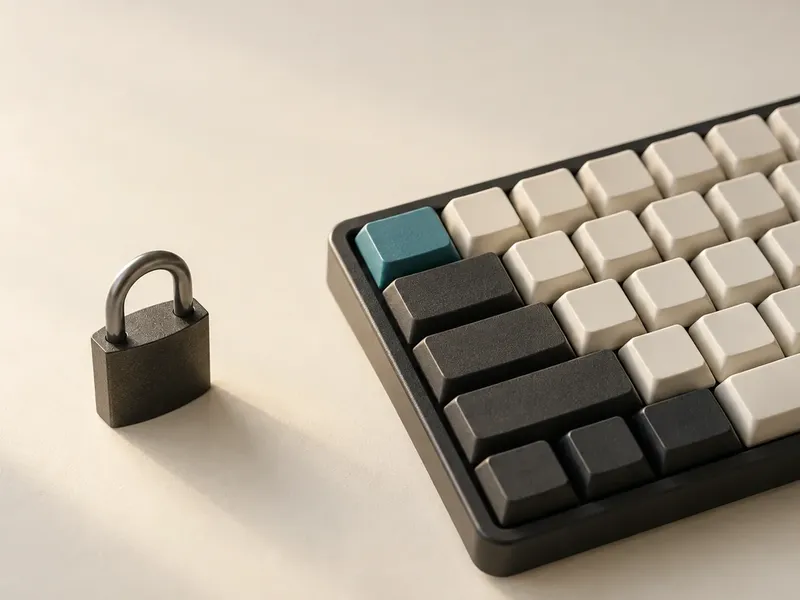








The problem with AI tools that remember everything
3 min read
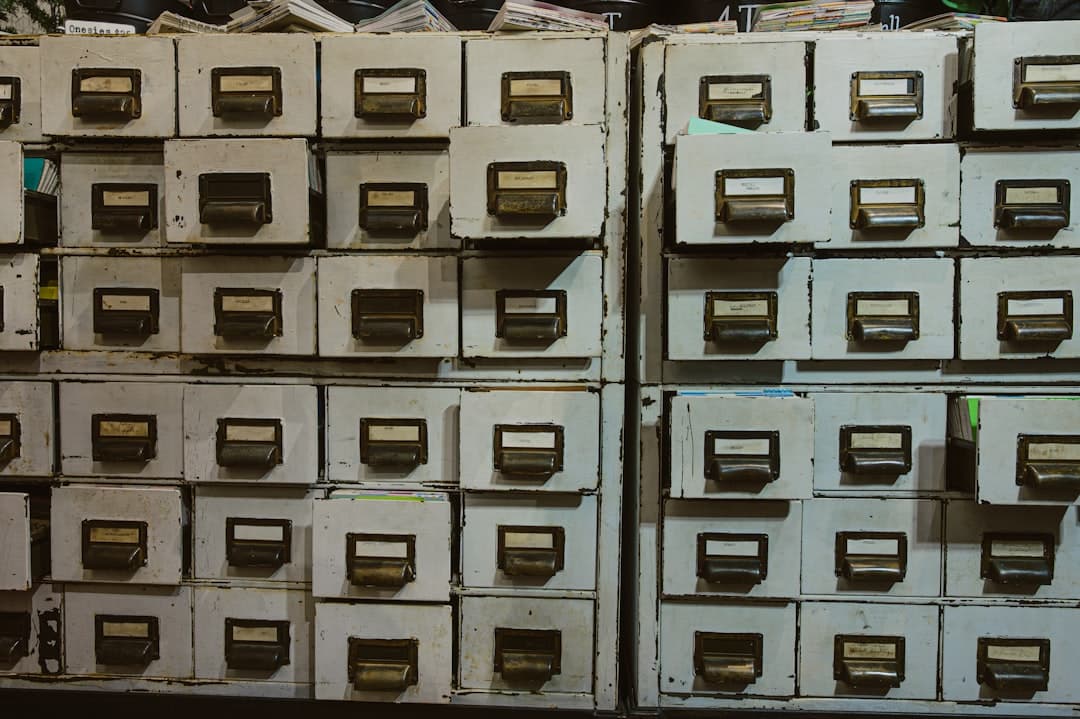
Memory sounds like an obvious good. The more context an AI has about your writing habits, your style, your past work, the better it can help. At least that is the pitch.
But there is a version of persistent AI memory that works against you. And most AI writing tools are building exactly that.
Context that accumulates is context that ages
When an AI tool builds a profile of your writing over months, it does not treat that history neutrally. It weights it. The things you wrote most often, the patterns you repeated, the phrases you reached for under deadline pressure, those get baked in.
Your worst writing habits get as much airtime as your best ones. Past laziness influences future suggestions. If you went through a phase of writing in a certain way because of deadlines or stress or just bad taste, that phase does not fade. It persists.
Abandoned drafts do not stay abandoned
Every writer has drafts they shelved for a reason. The piece that went nowhere. The angle that did not work. The half-formed idea you abandoned after twenty minutes because it was not going anywhere.
When an AI tool retains all of that, those dead ideas stay active in its model of you. It might nudge you back toward a framing you already rejected, or surface a tone you deliberately moved away from. You killed the draft. The AI did not get the memo.
Sometimes you want fresh eyes
There is a real use case for a writing tool that does not know what you usually write. When you are trying something new, exploring a different voice, or working on a piece that is deliberately outside your comfort zone, accumulated context is a liability.
A tool that knows your history will keep pulling you back toward it. That is fine when you want consistency. It is limiting when you want growth. Persistent memory makes it harder to break your own patterns.
More memory means more risk surface
Persistent memory is not just a product tradeoff. It is a privacy one. Every piece of writing a tool remembers is a piece of writing that exists somewhere other than your machine.
That includes your unfinished work, your early drafts, the things you wrote but never published. The more a tool accumulates, the more there is to expose in a breach, a policy change or a company acquisition. Retention is not neutral. It is risk.
What session-local actually means
Typeahead works differently. It sees what is in your current window and nothing else. When you close the session, that context goes with it. The next time you open it, it starts clean.
This is not a missing feature. It is a deliberate choice. Your writing never leaves your machine. There is no growing profile of your habits, no library of abandoned drafts shaping what comes next. Just the text in front of you right now.
The clean slate has value
Writers talk about wanting fresh eyes on their work. Someone who does not know what you were trying to do, who can only respond to what is actually on the page. That is hard to find in a person and even harder to get from a tool that has been watching you write for six months.
A session-local AI is not a lesser version of a persistent one. It is a different tool with different strengths. It responds to your writing today, not your writing last quarter. For a lot of people, that turns out to be exactly what they needed.